
"floating skin"
400 article(s) found

The production process of coffee beans
A coffee tree can harvest 3 kilograms of fruit, and raw coffee beans account for 1 / 5 of the fruit quality. Going from fruit to raw coffee beans is really a time-consuming and laborious task.
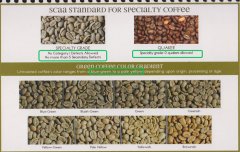
Standard of SCAA pecialty Coffee Fine Coffee Raw Bean
[SCAA "Specialty Coffee" standard for high-quality coffee raw beans] the raw bean defects of SCAA can be divided into two types: I and II. The requirement for premium coffee grade (specialty coffee) is: 1. There are no class I defects; 2. No more than 5 II class defects 3. There can be no "quaker" (0 quaker) Quick beans in cooked coffee beans. 4. The appearance of raw coffee beans
Learn the basic concepts of coffee
1. What is coffee (scientific name: Coffea arabica), also known as coffee tree, Arabica coffee, etc., is the national flower of Yemen. Before the 6th century AD, Yemen was called Arabian, so the coffee trees shipped from them to other places were also called Arabian coffee trees. The name coffee comes from the Arabic Qahwah, which means plant drink. Later, coffee spread.
Production method of coffee beans the production process of coffee beans
First of all, the coffee bean is a red coffee fruit that is picked from the coffee tree and ripe by fermenting flat beans and round beans, as shown in the figure. The pale green core with a little blue in the middle is the coffee bean. In general, the core of a coffee fruit is oval. When two kernels are opposite to each other, flat beans are formed; sometimes a single kernel grows and forms.
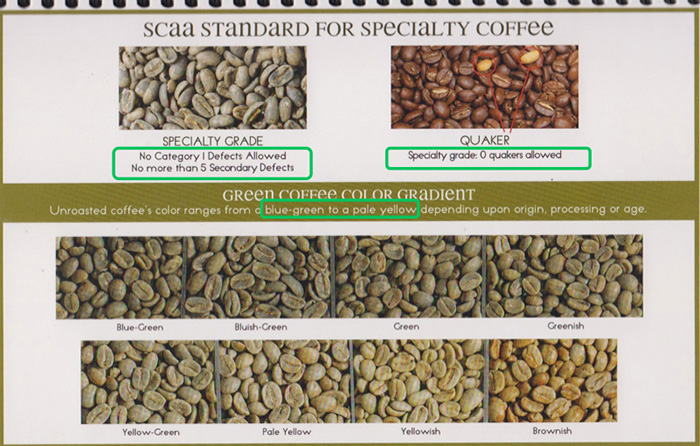
Boutique coffee beans: the standard of SCAA pecialty Coffee boutique coffee raw beans
The raw bean defects of SCAA can be divided into two types: I and II. The requirement for premium coffee grade (specialty coffee) is: 1. There are no class I defects; 2. No more than 5 II class defects 3. There can be no "quaker" (0 quaker) Quick beans in cooked coffee beans. 4. The color range of raw coffee beans is pale yellow (light yellow), yellow-green (

How much coffee can be produced by a tree a year? where can it be planted in China?
How much can a coffee tree produce in a year? where are the fruits planted in China? after harvesting, the skin and flesh of the fruit must be removed. The endocarp and silver peel are removed to form coffee beans. There are two kinds of methods: drying (natural drying, non-washing) and washing. Dry type, easy to operate, spread the harvested fruit on the dry ground, bask in the sun for a week or two, and you can hear the cluck when you turn it over.

The standard of SCAA pecialty Coffee boutique coffee raw beans is necessary for a good cup of coffee.
The raw bean defects of SCAA can be divided into two types: I and II. The requirement for premium coffee grade (specialty coffee) is: 1. There are no class I defects; 2. No more than 5 II class defects 3. There can be no "quaker" (0 quaker) Quick beans in cooked coffee beans. 4. The color range of raw coffee beans is pale yellow (light yellow), yellow-green (

About coffee silver skin coffee bean silver skin affect taste how to remove the silver skin of coffee beans
Professional coffee knowledge exchange more coffee bean information please follow the coffee workshop (Wechat official account cafe_style) after each grinding coffee beans to see the white crumbs called "silver skin" Silver Skin/Chaff seemingly useless coffee silver skin in which the content of soluble fiber is equivalent to the soluble fiber of oats has been developed as a health food.

Selection and treatment of coffee beans
Newness is the most important factor in buying coffee beans. To judge whether there are two steps between buying new beans and whether there are two steps: grab a handful of coffee beans and feel them with your palms. Is it enough to have a fragrance close to the nose? Put a bunch of beans into your mouth and bite them. A crisp sound indicates that the beans are well preserved and damp. If you want a single coffee bean, grab one in the palm of your hand.

The basic concept of Coffee that must be known about Coffee
First, know coffee 1, what is coffee (scientific name: Coffea arabica) also known as coffee tree, Arabica coffee, etc., is the national flower of Yemen. Before the 6th century AD, Yemen was called Arabian, so the coffee trees shipped from them to other places were also called Arabian coffee trees. The name coffee comes from the Arabic Qahwah, which means plant drink.

What are the advantages and disadvantages of washing and tanning? What's the difference between them?
Professional coffee knowledge exchange more coffee bean information please follow the coffee workshop (Wechat official account cafe_style) what are the advantages and disadvantages of washing and tanning? What's the difference between them? The influence of coffee flavor, in addition to varieties, producing areas, planting methods, there is also an important process of coffee raw bean treatment. Different treatments will lead to different flavors of coffee beans.

How to remove the silver skin of coffee beans is an essential factor in the flavor of coffee.
Professional coffee knowledge exchange more coffee bean information please follow the coffee workshop (Wechat official account cafe_style) front street-coffee silver skin introduction silver skin what is it? It means that there is a thinner film inside the parchment that wraps the coffee beans. Because the color is glossy and silvery, it is called silver skin. During the baking process, the silver skin on the surface of raw beans will be removed from the water.
Fruit to raw coffee beans
A coffee tree can harvest 3-5 kg of fruit, and raw coffee beans account for 1. 5% of the fruit quality. Going from fruit to raw coffee beans is really a time-consuming and laborious task. Arabian, Robusta and Liberian Arabian coffee account for about 2% of the world's coffee production. The plant is not suitable for high temperature, low temperature, more rain and less rain. Coffee beans are oval and flat, with high quality

Boutique Coffee the basic concept of coffee that must be known about coffee
First, know coffee 1, what is coffee (scientific name: Coffea arabica) also known as coffee tree, Arabica coffee, etc., is the national flower of Yemen. Before the 6th century AD, Yemen was called Arabian, so the coffee trees shipped from them to other places were also called Arabian coffee trees. The name coffee comes from the Arabic Qahwah, which means plant drink.

Specifications of coffee beans what are the coffee farms?
a. Washing type / non-washing type: in the sink, after rubbing with water and utensils, the pulp and gum are removed and dried, which is called washed coffee beans with uniform quality. Non-washing type: after the sun is naturally dried, the pulp and peel is removed by a sheller, and its quality is unstable. b. The fruit of flat bean / round bean coffee is made up of two oval seeds opposite each other. The connected side
Coffee Bean Processing
Natural drying method Coffee refining process Coffee cherries (coffee cherries) Selection and treatment of green beans Harvesting sun field (sun exposure) Shelling machine (removal of pulp, etc.) Electronic bean sorter or wind bean sorter (hand)

SCA Arabica Coffee Raw Bean grading Manual _ how do Arabica coffee beans be graded?
Professional coffee knowledge exchange more coffee bean information please follow the coffee workshop (Wechat official account cafe_style) [the standard of SCAA Specialty Coffee fine coffee raw beans] the raw bean defects of SCAA can be divided into two categories: I and II. The requirement for boutique coffee grade (specialty coffee) is that there are no Class I defects and no more than 5 II classes are missing.

Introduction to the production process of coffee beans
Arabian, Robusta and Librian Arabian coffee account for about 2% of the world's coffee production. The plant is not suitable for high temperature, low temperature, more rain and less rain. Coffee beans are oval and flat, with high quality and rich aroma. Robusta coffee has a strong bitter taste, no sour taste, and the flavor is not very good, so it is better to be mixed than to be used alone.

Introduction to the flavor and taste of the coffee producing area of Rwanda Coffee Manor the characteristics of Rwandan coffee in Kimmel Manor
The sink technician in the process will clean the coffee immediately because the delay will ferment the sugary outer layer of the coffee beans, ruining the taste of the coffee. The coffee beans are first thrown into a deep trough, and the best quality coffee fruit goes into the bottom and passes through a machine that peels off its skin. The mechanic takes out the floating coffee fruit, processes it in the same way and allows the cooperative to compare it in the domestic market.
Fine coffee learn the production process of coffee beans
A coffee tree can harvest 3-5 kg of fruit, and raw coffee beans account for 1. 5% of the fruit quality. Going from fruit to raw coffee beans is really a time-consuming and laborious task. Arabian, Robusta and Librian Arabian coffee account for about 2% of the world's coffee production. The plant is not suitable for high temperature, low temperature, more rain and less rain. Coffee beans are oval flat and have a high height.